
You walk into the kitchen and your feet splash instead of step on the floor. There is water where it should never be, maybe dripping from a ceiling or pooling around cabinets, and your mind starts racing. You are thinking about how bad the damage is, how much it will cost, and whether this will cause a fight with your insurance company.
In the middle of that rush, it is hard to know what to do first. Do you start grabbing towels, call your insurance, or try to find the source of the water. You do not want to make a mistake that makes things worse, especially if you have heard stories about people getting dropped by their carrier or stuck with large bills. You simply need clear, calm instructions and someone who can take this off your shoulders as fast as possible.
We help California homeowners through this exact moment every day. At Renew Restoration, you talk to a live person 24/7, and we are typically on site in 60 minutes or less for water damage emergencies. Our fully licensed and insured technicians have 10 to 15 years of experience, and we use professional equipment to stop damage, dry your home, and work directly with your insurance when a claim makes sense. The steps below show you what to do right now, and what we do once we arrive.
First Things To Do In The First 10 Minutes After Water Damage
Those first few minutes are all about safety and stopping the source. Before you touch anything, look up and around. If you see a bowed or sagging ceiling, or hear cracking sounds, stay out of that area and keep family and pets away. If water is close to outlets, power strips, or extension cords, do not step into it barefoot. When there is any doubt about electrical safety, wait for us to guide you over the phone or shut the power off at the main breaker panel if you can reach it safely on dry ground.
Once you are sure you are not stepping into an electrical hazard, the next priority is to stop the water if it is still flowing. In many California homes, the main water shutoff is near the street in a ground box, on an exterior wall near a hose bib, or in a utility closet or garage. The handle is often a lever or round valve. Turning it a quarter turn or clockwise usually shuts water to the house. If a single fixture is leaking, like a toilet or sink, there is often a smaller shutoff valve on the supply line under or behind it that you can close.
Not all water is the same, and that matters for what you should touch. If the water came from a clean supply line that broke, such as a burst pipe under a sink, it is usually considered clean water at first. If it is coming from a drain, toilet overflow, backed up shower, or outside flooding, that water may contain sewage or other contaminants. In those situations, avoid contact as much as possible, especially for children, elderly family members, or anyone with health issues.
With the source slowed or stopped, you can take small, safe steps to reduce damage while we are on the way. Move light, easily carried belongings out of the wet area, especially electronics, photos, and important papers. If you can do it safely, place aluminum foil or small blocks under the legs of wooden furniture to keep stain from bleeding into wet flooring. Skip heavy lifting or anything that requires tools or stepping into deeper water. When you call Renew Restoration, our 24/7 office staff can talk you through these first moves while a crew is dispatched to your home.
What Happens To Your Home In The First 24 Hours Of Water Damage
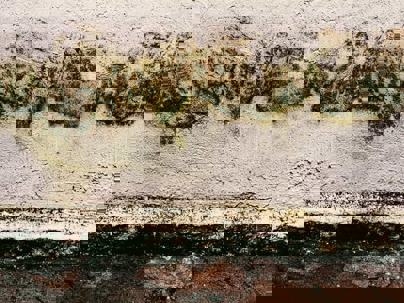
Once water is loose inside a home, it does not just sit on the surface. It spreads sideways and downward, following every gap and joint it can find. In the first few hours, water can travel under baseboards, into wall cavities, and through the seams of laminate or hardwood flooring. Drywall acts like a sponge, pulling moisture up from the floor in a process called wicking. That is why a leak that looks small on the floor can result in a wet area climbing several inches, or even a couple of feet, up the wall within a day.
Different materials react at different speeds. Thin laminate often starts to swell and buckle along seams within 24 to 48 hours if it stays wet. Engineered wood can cup or warp as one side takes on more moisture than the other. Drywall may first show as a faint stain, then begin to soften and crumble at the base as it stays saturated. Insulation behind the wall can hold water like a sponge, keeping those materials wet even if the surface feels drier to the touch after a day or two.
This hidden moisture is what catches many homeowners by surprise. You might run a few fans, open windows, and see the surface water disappear. It feels drier, so it seems safe to move on. What you cannot see is the elevated moisture inside walls, under cabinets, and beneath flooring. That trapped moisture is what leads to secondary damage, including mold growth, musty odors, and structural issues, in the days that follow.
Mold spores are always present in the air, but they need the right conditions to grow. When materials like drywall paper, wood, and dust stay damp and warm, mold can begin to colonize those surfaces in as little as 24 to 48 hours. That does not mean visible mold will always appear that quickly, but it does mean the clock is ticking once materials are wet. This is why we bring moisture meters and sometimes thermal cameras on every water damage call. We are not guessing based on what looks dry, we are measuring what is happening inside your home where you cannot see.
Steps To Take Before We Arrive On Site
Once you have called for help and taken basic safety steps, you still have an important role while you wait for our crew to arrive. One of the most valuable things you can do is document the situation as it is right now. Use your phone to take wide shots of every affected room, then closer photos of damaged items, walls, floors, and ceilings. Try to capture how far the water has spread, including any wet baseboards, visible staining, or buckling flooring. If it is safe, note serial numbers or brands on major items like appliances or electronics that are affected.
Video can be even more helpful. A slow walk through each space, narrating what you see and when you discovered it, can provide a helpful record later when you are working with an adjuster. You do not need to script anything. A simple “this is the living room, the water reached to here, we first noticed it this morning” is enough context. The goal is to capture an honest snapshot before anything is moved or removed.
You can also take simple steps to keep unaffected areas from becoming part of the loss. Close doors to rooms that are still dry and try to keep traffic through wet areas to a minimum. If you need to walk through a soaked space, avoid tracking wet footprints onto clean carpets or rugs. That added moisture can cause staining or spread contaminants if the water came from a dirty source. Keep pets and kids away from wet areas so they do not slip, get chilled, or disturb materials we will need to inspect.
There are also things you should not do. Avoid pulling up flooring, cutting out sections of drywall, or removing baseboards on your own. Those actions can release more moisture into the air, spread contamination, and make it harder for us and your insurance adjuster to see the original pattern of damage. Do not throw away damaged items yet, even if they seem ruined. Adjusters often want to see or at least have photos of what was lost. When our team arrives for your free evaluation, we will go through the space with you, take our own comprehensive photo set, and outline a clear plan so you know what will happen next.
What We Do In The First Hour Of Professional Water Mitigation
When our crew from Renew Restoration reaches your home, the first hour is focused on assessment and fast action. We start with a walkthrough to understand where the water came from, how long it has been leaking, and what areas are affected. Using moisture meters, we check walls, floors, and sometimes ceilings to map out the true extent of the damage. If needed, we use thermal imaging to spot cooler, damp areas inside cavities that do not show up on the surface yet.
At the same time, we are looking at the type of water involved. A burst supply line from under a sink is very different from a backed up toilet or outside floodwater. Clean water from a fresh supply line break is often safer to handle and sometimes allows more materials to be salvaged. Water from drains or outside sources may require more aggressive cleaning and removal of porous materials to protect health. We will explain what category your loss appears to fall into and what that means for the steps ahead.
Next, we focus on getting as much liquid water out of the home as possible. We use truck mounted or portable extraction units to pull water out of carpets, padding, and hard surfaces. This is far more efficient than towels or household wet vacs and can remove a large amount of water in a short time. The more water we extract up front, the faster the drying process will go and the less risk of long term issues.
During this stage, we also start making decisions about what can likely be dried in place and what needs to be removed. Severely swollen laminate, sagging drywall, or visibly contaminated carpet may have to come out to reduce the chance of deeper problems. We explain each recommendation and why we are making it, so you can see the logic behind the plan. Then we set up commercial dehumidifiers and air movers in a specific pattern, based on the size and shape of the affected areas and the moisture readings we gathered.
Proper placement and the right quantity of equipment are important. Too few machines or the wrong configuration can leave pockets of moisture that look dry on the surface but remain damp inside. Our technicians have spent 10 to 15 years learning how to lay out equipment that dries efficiently while minimizing disruption as much as possible. From the first visit, we are documenting readings and setup, so we can show progress over the next several days and give your insurance adjuster a clear record of what was done and why.
How To Handle Insurance When You Have Water Damage
As you deal with the immediate mess, the insurance question hangs over everything. Many California homeowners are reluctant to file a claim, even when the loss is clearly significant. They worry about being dropped by their carrier or seeing their premiums jump. At the same time, they know water damage repairs can be costly if they try to pay out of pocket. This tension often leads people to wait too long, hoping things will dry out on their own so they can avoid involving insurance at all.
Most homeowners policies include a duty to prevent further damage after a covered loss. In practice, that means your carrier generally expects you to take reasonable steps to stop the water and start drying rather than leaving everything wet while you decide what to do. Delaying mitigation can make damage worse and can also create arguments later about what should or should not be covered. Acting quickly to document the situation and begin drying usually puts you in a stronger position, not a weaker one.
That does not mean every water incident should automatically become a claim. Smaller, contained leaks that are caught early may sometimes be cheaper to handle without involving insurance, especially when you consider your deductible and claim history. Larger events that affect multiple rooms, cabinets, or structural elements are often too big to take on alone. When we come out for a free evaluation, we can walk you through what we are seeing, the likely scope of work, and whether it appears to cross the threshold where a claim is worth considering.
If you decide to involve your carrier, we help you prepare. We make sure you have strong photo and video documentation and a clear description of when and how the loss happened. Our moisture readings, floor plans, and daily drying logs become part of the package that shows your adjuster the work was necessary and reasonable. Because we work with insurance adjusters and agents every day, we understand what they usually look for in a mitigation file.
In many cases where a claim is opened and coverage applies, we can bill your insurance directly for covered mitigation work. You are still responsible for any deductible and any items your policy does not cover, but you are not fronting the full cost of emergency services while you wait for reimbursement. Our role is not to give legal advice or promise specific outcomes, but to stand beside you in the process, so you are not trying to decipher insurance language alone.
Common Mistakes After Water Damage That Make Things Worse
One of the biggest mistakes we see is waiting to act because the damage does not look severe at first glance. A small puddle near a cabinet or a damp patch on the carpet seems easy to handle with a few towels. The surface dries out, and it is tempting to move on. Days later, you may notice a musty odor, warped baseboards, or staining spreading along the wall. By then, the moisture behind the scenes has had time to cause more damage and can require more demolition to correct.
Another common problem is throwing away damaged items before they are properly documented. In the rush to clean up, people bag up soggy rugs, warped bookshelves, and ruined kids' toys and get them out of the house. From a health and clutter standpoint, that is understandable. From an insurance standpoint, it can be a problem. Adjusters often want to see the actual items or at least detailed photos. If the evidence is gone, it can be harder to obtain fair compensation for what you lost.
Trying to do all the mitigation work yourself with household tools is another risk. Shop vacs, small fans, and open windows can help in very minor incidents, but they struggle to remove moisture from inside walls, under cabinets, and from padding beneath carpets. In some cases, improper drying can cause more harm, such as when furniture is set back on damp carpet or equipment is shut off too early because surfaces feel dry. Hidden moisture can linger and lead to mold or structural issues that surface weeks or months later.
Finally, hiring the cheapest available contractor without checking their licensing, insurance, or actual water damage experience can create long term problems. Improper demolition, lack of moisture monitoring, or failure to follow basic safety practices can leave you with unfinished repairs, code violations, or unresolved moisture issues. Our goal is to help you avoid all of these traps. When we come alongside you after a loss, we explain what we recommend, why, and how it protects both your home and your claim.
What To Expect In The Days After A Water Damage Emergency
Once the immediate crisis is under control and equipment is running, the process shifts into a short but important monitoring phase. In many California homes, typical clean water losses that are addressed quickly can take several days of active drying. Each day, we return to check moisture levels in walls, floors, and structural components. We adjust equipment placement and quantity based on those readings, and we keep detailed logs that show progress over time.
Drying is only part of the picture. Depending on how long the water was present and what materials were affected, some demolition may be necessary. That can include removing baseboards so we can dry wall cavities, cutting out sections of saturated drywall, or pulling up damaged laminate or carpet that cannot be successfully dried or cleaned. We walk you through each step, explain the reasons, and coordinate timing so you are not surprised by work crews showing up without notice.
After mitigation is complete and we have verified that structural materials are back to acceptable moisture levels, the focus shifts to repairs and build back. In many claims, the reconstruction phase is a separate step that may involve replacing drywall, repainting, installing new flooring, and addressing cabinetry. This is also where some homeowners choose to make design changes or upgrades, such as selecting different flooring or reconfiguring a kitchen layout, when coverage and budget allow.
Throughout these days, we stay in communication with you and, when a claim is involved, with your adjuster or insurance agent. Our local experience with California homes, including slab foundations, crawlspaces, and common finishes, helps us set realistic expectations about timelines and scopes. While we cannot promise exact schedules or coverage decisions, we can tell you what tends to happen in situations like yours and what choices you have at each step.
The goal is not just to dry your home and walk away. It is to leave you with a space that is structurally sound, dry beneath the surface, and ready for quality repairs. By understanding the process and having a team that explains it along the way, you are far less likely to feel blindsided by delays, change orders, or insurance questions down the road.
Get Calm, Professional Help For Water Damage Right Now
You cannot change the fact that a pipe burst, an appliance failed, or a storm pushed water into your home. You can decide what happens next. Fast, informed action in the first hours can make a real difference in how much has to be torn out, how long you are disrupted, and how your insurance claim plays out. You do not have to figure it out alone in the middle of the night or in the middle of a hectic workday.
At Renew Restoration, we are here 24/7 with a live person to answer your call, talk you through the first steps, and get an experienced team to your door in 60 minutes or less in many cases. We provide free, no obligation evaluations, help you decide whether a claim is the right move, and work with your insurance when coverage applies so you can focus on your family and daily life. If you are standing in a wet room right now, the best next step is simple.
Call (661) 449-1215